Adidas Adizero Boston 13 vs Nike Zoom Fly 6
A side-by-side comparison grounded in verdicts from 5 reviewers with every source linked. We don't invent quotes; every claim below is attributed.
Specs at a glance
Reviewers who wore both
Direct paired observations — reviewers who actually ran in both of these and wrote the contrast. This is the strongest comparative signal on the page.
Closest competitor from another brand; Zoom Fly 6 is more expensive and Continental rubber on the Boston 13 lasts longer than Nike's outsole rubber
Boston 13 is the Adidas equivalent of the Zoom Fly 6
Zoom Fly is taller in the heel, higher drop, more aggressive and better for pace; Boston is wider in the forefoot, more breathable upper, cheaper, and more versatile as a daily trainer
Direct competitor in the super-trainer category.
Zoom Fly 6 is softer, stiffer, less snappy/bouncy but better for easy runs and more centered/neutral; Boston is snappier, more flexible, better for workouts/racing with a more directionally biased guidance
A competing plated daily option
Cheaper at 140 quid, very durable, closer in feel to the Adios Pro/Takumi Sen race shoes
Boston 13 is the closest Adidas equivalent to the Zoom Fly 6
Boston 13 is a fraction more versatile and won the Top 3 ranking; Zoom Fly 6 is more racy and a great super-trainer in its own right
Zoom Fly is taller heel, higher drop, more aggressive and better for pace; Boston has wider forefoot, more breathable upper, better tongue/laces, cheaper, and more versatile
Reminds Ben of the Boston 12 in feel and rotation slot
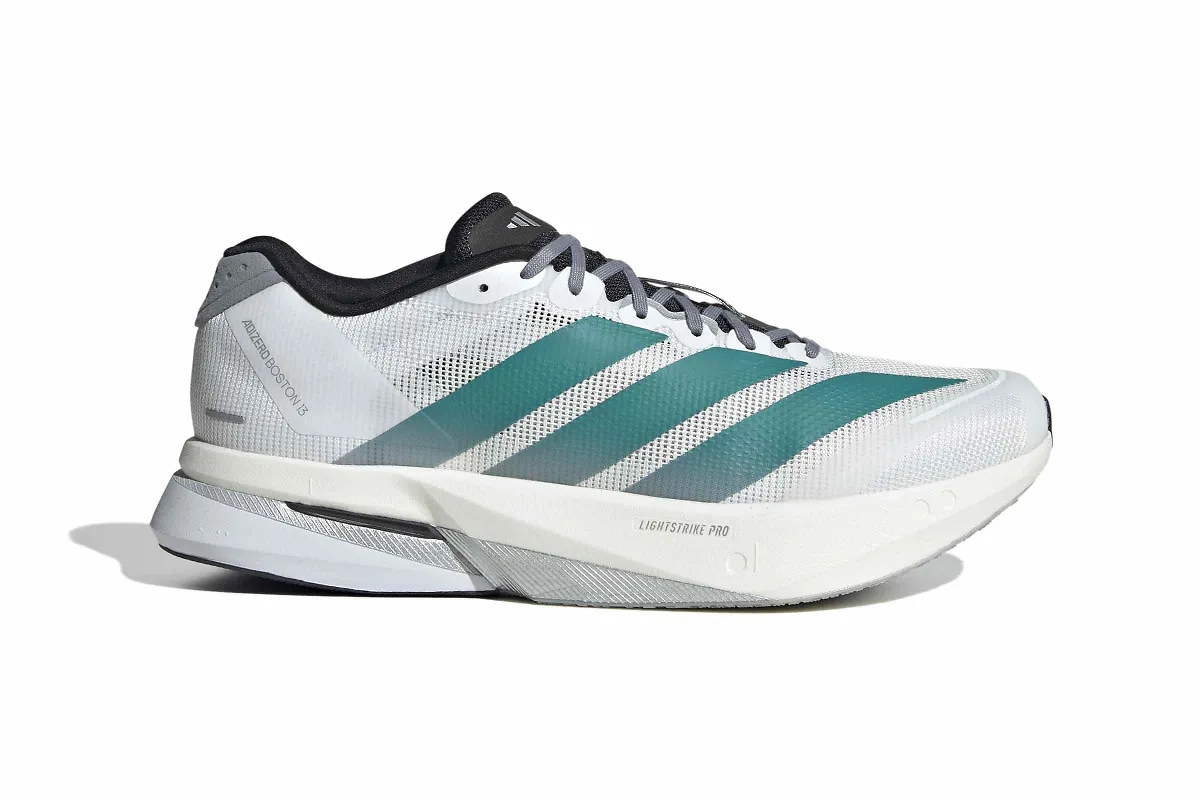
Adidas Adizero Boston 13 — what reviewers say
Ride profile: high cushion , neutral stability .
-
#5 long-run shoe. Hard to categorize — Kofuzi puts it here for long runs with some pace.
In their words: "i do like it for longer runs" · "pick up the pace a little bit"
-
A solid, good-value super trainer with a firmer, denser ride; works well for faster efforts but feels less natural and versatile than the Speed 5.
Ride:Firmer, flatter, blockier ride than the Speed 5 with a snappy feel from the energy rods between Lightstrike Pro and Lightstrike 2.0 layers; less energy return and less versatile at easy paces
Fit:UK sizing comes up small — go half a size up for Adidas; upper is much more comfortable than Boston 12 with good toe-box clearance and a snug-but-secure midfoot hold
In their words: "a snappier, more engaging ride" · "a bit more blocky by comparison" · "comfortable at easy paces"
-
Outstanding value at GBP 140 with excellent fit, grip, and durability — the desert-island pick over the Speed 5 for the reviewer.
Ride:Firmer and denser than the Speed 5 with a cruiser feel from the wide forefoot; superb Continental + Lightstrike outsole grip and durability.
Fit:Widest forefoot of the comparison set but narrowest heel — heel width is the one thing putting some runners off; otherwise dialled-in fit, especially for slightly narrow feet. About 15g heavier than the Speed 5.
In their words: "the Boston's a cruiser" · "superb durability" · "a little bit firmer and denser"
-
A genuine improvement over the Boston 12 with a softer ride, better upper and tongue, and good value at £140, but it's a hard sell against Adidas's own Evo SL.
Ride:Softer than the v12 due to 14% more Light Strike Pro; slightly less stable but improved ride. Stack height reduction from 37mm to 36mm is not really noticeable. Energy rods 2.0 work very well.
Fit:Fits narrow; reviewer went up half a size. Upper, tongue, and heel comfort much improved over v12.
In their words: "this version definitely feels softer" · "it fits narrow" · "definitely a little bit more unstable"
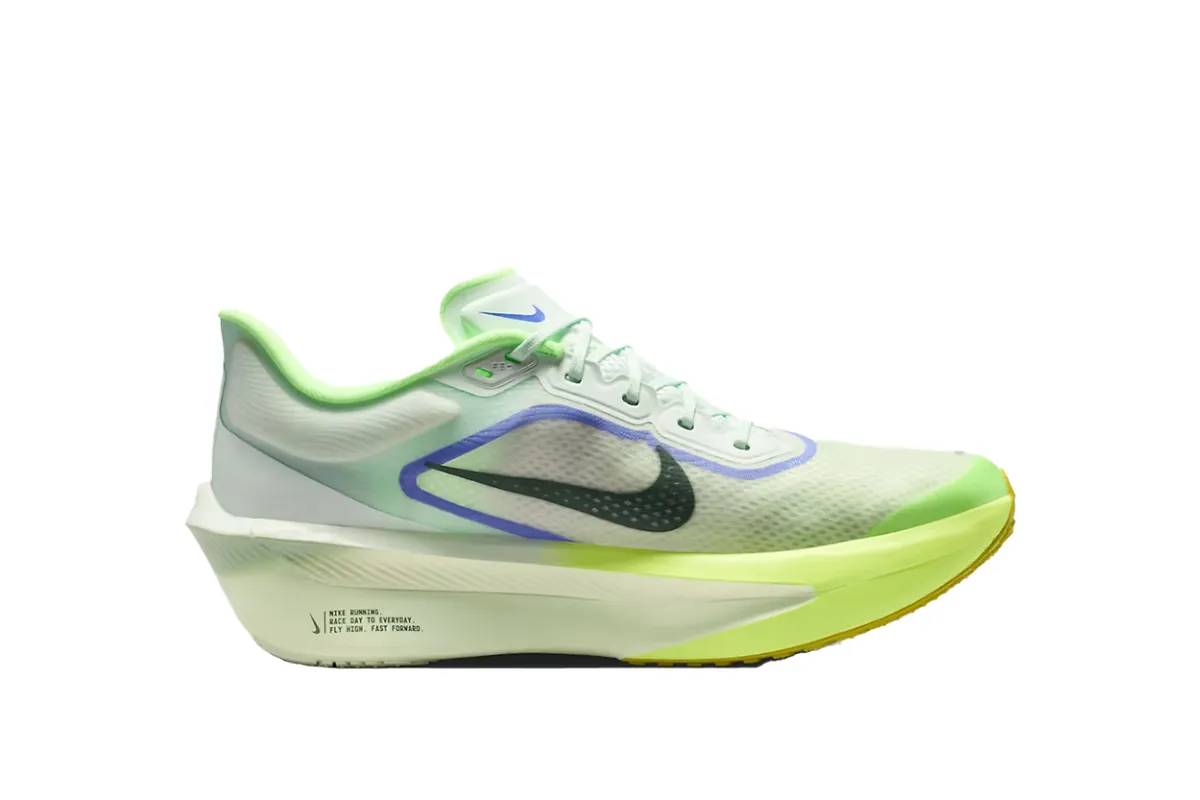
Nike Zoom Fly 6 — what reviewers say
Ride profile: high cushion , neutral stability .
-
Ed Bud sees the Zoom Fly 6 as a decent but aging shoe — denser and about 1.5oz heavier than the SC Rebel, with a rigid carbon plate and a ride that reads more trainer than racer, though he still rates the outsole grip highly and says it's not a bad buy at a discount.
Ride:Denser underfoot with a ZoomX-and-SR02 foam combination and a comparatively rigid carbon plate; feels more like a trainer than a racer and some may find the ride a little dense.
Fit:Similar forefoot and heel width to the SC Rebel.
In their words: "beginning to kind of show its age" · "ready for an upgrade" · "one of my favorites"
-
Ben still rates the Zoom Fly 6 highly, especially at a discounted price, though he now considers the SC Rebel the slightly better all-round pick for its more stable, nimble ride.
Ride:Much softer and less stable than the SC Rebel, with excellent outsole durability and better wet-weather grip thanks to its thicker waffle outsole.
In their words: "a real classic in the sector" · "fantastic shoe for that price"
-
A versatile, forgiving super trainer that's a good entry point into carbon-plated shoes for training and racing.
In their words: "a bit of a bargain" · "really nice versatile running shoe"
-
#1 tempo shoe. Best Zoom Fly ever made — fun for daily training and excellent at going fast. Comfortable, peppy, lightweight.
In their words: "comfortable. it's peppy. it's lightweight" · "everything that i want in a tempo shoe"
Who should buy which
Use cases the reviewers above actually call out — one bullet per distinct take, attributed. Where reviewers converge (e.g. "5K to half marathon" appearing across multiple takes) the agreement is a stronger buying signal than any single voice.
Consider the Adidas Adizero Boston 13 if
- Value-focused runners looking for a firm, snappy fast training shoe that also serves as a companion to the Adios Pro 4 for racing — The Run Testers
- Value-minded daily training and tempo work for runners who want a cruise-y, durable ride. — EDDBUD
- Runners who prefer a firmer, more responsive and stable shoe for faster daily sessions, intervals and tempo runs up to around 10-15K. — The Run Testers
- Versatile daily trainer for easy paces through marathon pace, including long runs with faster intervals. — EDDBUD
- Versatile daily training for runners who want a wider forefoot and a consistent performer — EDDBUD
- Everyday runners wanting a super trainer that can handle daily miles, tempo work, and race day. — FORDY RUNS
Consider the Nike Zoom Fly 6 if
- Versatile do-everything carbon-plate trainer for runners on a budget vs the Speed 5. — EDDBUD
- Versatile plated super trainer at an aggressive price point; from 10K through marathon distances; great winter shoe due to outsole grip — EDDBUD
- Runners who want a versatile lightweight trainer that handles easy days well, with a wider anatomic toe box and neutral guidance — and an alternative to aggressive super shoes — Doctors of Running
- Runners wanting a Nike trainer with strong outsole grip, particularly at a discount. — EDDBUD
- Tempo and race-day work for runners who want a toned-down Nike racer — FORDY RUNS
- Marathon training — long runs, tempos, and intervals; great value plated trainer that can also race a marathon — EDDBUD
Frequently asked questions
What's the difference between the Adidas Adizero Boston 13 and the Nike Zoom Fly 6?
The Adidas Adizero Boston 13 is a speed trainer and the Nike Zoom Fly 6 is a speed trainer. By the numbers, the Adidas Adizero Boston 13 weighs 255g, has a 37mm heel stack and a 7mm drop, while the Nike Zoom Fly 6 weighs 244g, has a 40mm heel stack and an 8mm drop. MSRP is $160 for the Adidas Adizero Boston 13 and $170 for the Nike Zoom Fly 6.
Should I buy the Adidas Adizero Boston 13 or the Nike Zoom Fly 6?
The Run Testers on the Adidas Adizero Boston 13: Value-focused runners looking for a firm, snappy fast training shoe that also serves as a companion to the Adios Pro 4 for racing. EDDBUD on the Nike Zoom Fly 6: Versatile do-everything carbon-plate trainer for runners on a budget vs the Speed 5.
Per The Run Testers, EDDBUD.
Has anyone reviewed both the Adidas Adizero Boston 13 and the Nike Zoom Fly 6?
Yes — EDDBUD, FORDY RUNS, Doctors of Running, and Ben Is Running directly compared the Adidas Adizero Boston 13 and the Nike Zoom Fly 6 in their reviews.
Per EDDBUD, FORDY RUNS, Doctors of Running, Ben Is Running.
Which is lighter, the Adidas Adizero Boston 13 or the Nike Zoom Fly 6?
The Nike Zoom Fly 6 is lighter, at 244g versus 255g (men's 9) — about 11g less.
Which is more cushioned, the Adidas Adizero Boston 13 or the Nike Zoom Fly 6?
Measured by stack height, the Nike Zoom Fly 6 has more underfoot foam — 40mm at the heel versus 37mm.