Adidas Adizero Evo SL vs Nike Structure 26
A side-by-side comparison grounded in verdicts from 7 reviewers with every source linked. We don't invent quotes; every claim below is attributed.
Specs at a glance
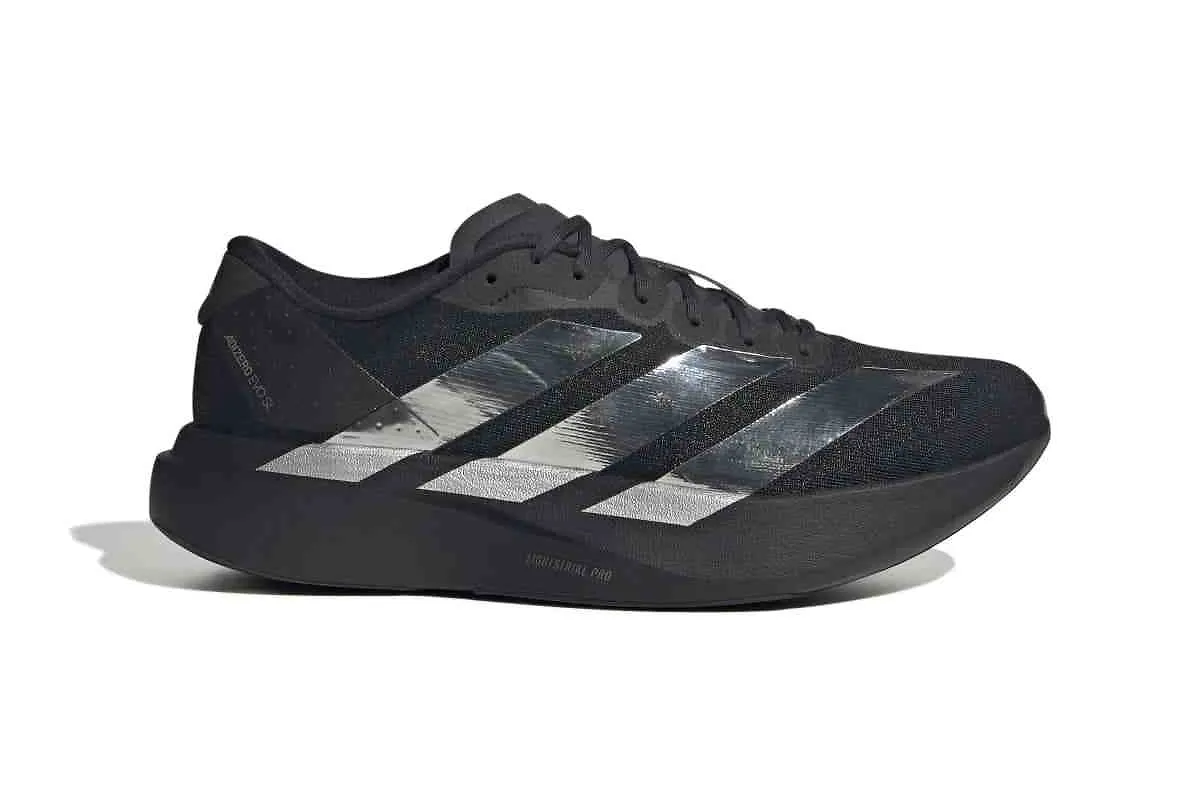
Adidas Adizero Evo SL — what reviewers say
Ride profile: high cushion , soft_plush feel , high energy return , neutral stability , aggressive rocker.
-
Ed Bud rates the Evo SL as a strong, fast shoe that many treat as a tempo option rather than a daily trainer; he personally finds the SC Rebel a little more enjoyable and versatile overall, but says the Evo SL still has a lot going for it, especially at a discount.
Ride:Lightstrike Pro foam has historically softened with wear across versions; some runners find it less stable on camber or debris because of the plate's position, though the reviewer rates it as stable relative to the SC Rebel and better at faster paces.
Fit:Minimal upper similar to the SC Rebel with comparable heel padding, though with a lower heel profile; no lockdown issues.
In their words: "feels like a tempo shoe" · "better shoe at pace" · "not the most stable"
-
The Run Testers consider the Adizero Evo SL the shoe that reset the price-to-performance bar for fast, versatile trainers, crediting it with reducing reliance on traditional dailies like the Pegasus, Ghost and Ride; after comparing it against nearly a dozen would-be rivals, none dethrone it as their default fast-training shoe.
Ride:Non-plated (nylon shank rather than a carbon plate), simple design with a genuine race-day-grade foam; very bouncy and energetic, naturally pushes pace faster, and is described as almost impossible to run slow in. Considered not the most stable shoe but very fun and fast, with an aggressive, high-rocker transition.
Fit:Upper tapers sharply around the little toe, which one reviewer found caused rubbing/a hot spot on a longer effort.
In their words: "a really good foam basically" · "really fun and it's fast" · "a lot of energy in it"
-
Ben Parkes enjoys this shoe for speed work and calls it great fun with a strong turn of speed, but flags a lack of stability as its main downside.
Ride:Very lightweight and fun to run fast in, using Lightstrike Pro super foam and a shank (rather than a plate) for stability.
In their words: "really good fun to run in" · "lack of stability"
-
Ben calls this one of the best shoes on the market right now — Light Strike Pro midsole with no plate makes it an outstanding speed and tempo option, though the soft, bouncy midsole may not suit runners needing stability.
In their words: "by far one of the best shoes on the market" · "midsole in this one is a little bit soft and bouncy"
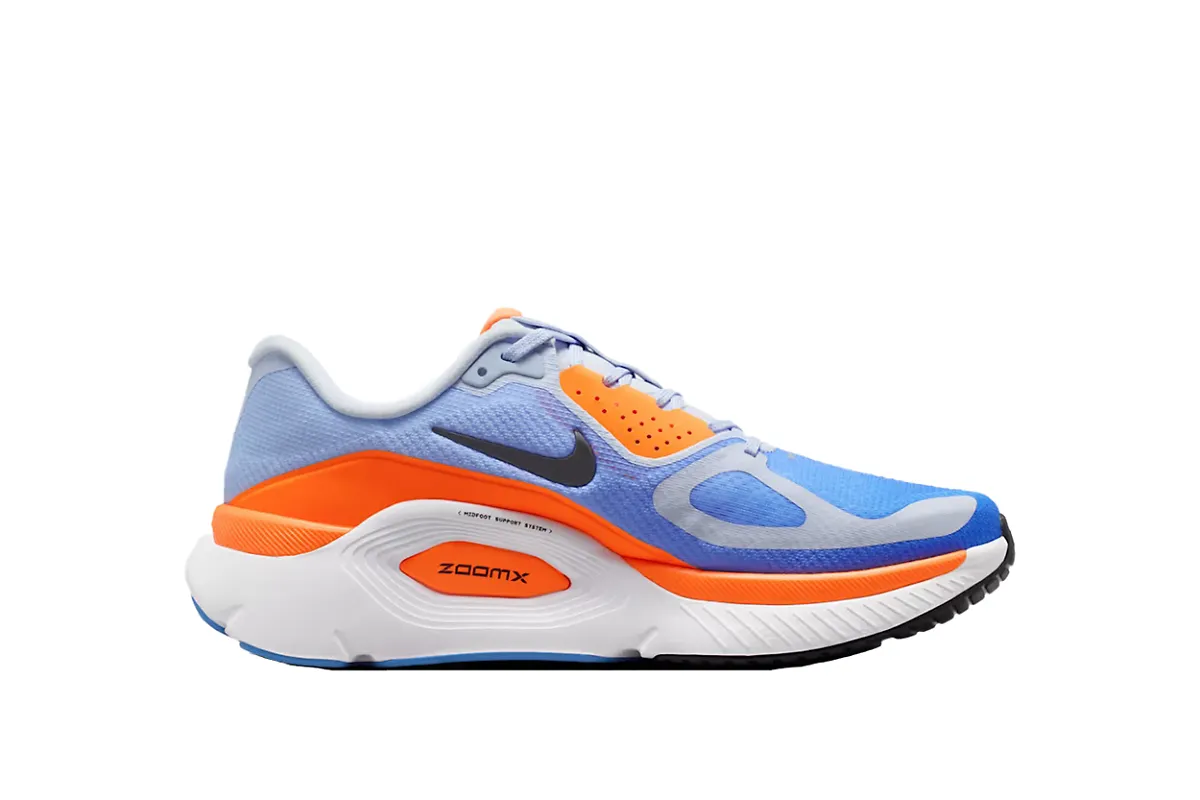
Nike Structure 26 — what reviewers say
Ride profile: high cushion , balanced feel , low energy return , mild_stability stability .
-
A well-built, stable daily trainer combining ZoomX and React X foam that holds up over high mileage.
In their words: "really well put together shoe" · "nice and stable"
-
The Structure Plus delivers solid comfort and stability with its ZoomX and ReactX midsole combo, but the blocky, heavy ride limits its appeal for actual running. Both reviewers gave it a C overall, noting that the standard Structure 26 at $25 less actually feels better for running, making the Plus hard to justify unless you prioritize max cushion and softness in a stability shoe.
Ride:ZoomX and ReactX midsole combination feels soft and cushioned at first but becomes blocky and heavy over longer distances. J-frame stability element provides good side-to-side control but limits forefoot flexibility. High stack height contributes to a somewhat disconnected feel from the ground.
Fit:Comfortable, padded upper with thick tongue and well-cushioned heel collar. Not gusseted but lockdown is solid. Surprisingly breathable despite the heavy padding.
In their words: "a little too heavy, a little too blocky" · "all day comfort" · "a lifestyle shoe in the walking category"
-
A very solid cushioned stability shoe that strikes a good balance between generous cushioning and a nimble feel, with subtle and effective support. The reviewer preferred it over the ASICS Kayano and Saucony Hurricane but noted neutral runners should choose the Vomero Plus instead for its superior bounce.
Ride:Cushioned and comfortable with high stack, especially at the heel. Transition is smoother than the Pegasus line despite the same 10mm drop. The ZoomX foam is dulled by the ReactX carrier foam, so bounce and energy return are moderate rather than the springy feel of full-ZoomX shoes like the Vomero Plus. More geared toward easy paces than faster work. The midfoot support system with medial sidewall foam provides subtle, non-intrusive stability.
Fit:True to size in UK 9 / US 10. Plenty of room around the toes with good hold around heel and midfoot. Very padded tongue and heel collar. The center padding at the back of the heel could potentially irritate the Achilles for some runners, though the reviewer had no issues.
In their words: "subtle and non-intrusive" · "lends itself much more to Easy Run" · "comfort focused stability shoe"
-
Matt prefers the Structure 26 overall as the more comfortable, versatile and medially supportive option — a true moderate stability shoe rather than the firmer, snappier stable-neutral ride of v25.
Ride:Full-length React X gives a softer, smoother ride with a larger lateral sidewall and wider platform, producing prominent medial cushioned support throughout the arch and heel. Feels blocky and slightly clunky before breaking in around 25-30 miles, then becomes a relaxed, comfortable workhorse — less snappy than v25 but more supportive and versatile.
Fit:Slightly roomier and more accommodating than v25 with a more flexible heel counter; still fairly normal to slightly snug with plush padding around the heel.
Who should buy which
Use cases the reviewers above actually call out — one bullet per distinct take, attributed. Where reviewers converge (e.g. "5K to half marathon" appearing across multiple takes) the agreement is a stronger buying signal than any single voice.
Consider the Adidas Adizero Evo SL if
- Runners wanting a light, nimble, kick-car style ride at an attractive price — EDDBUD
- A fast, bouncy speed shoe that also works as an all-rounder for runners who don't need stability — The Run Testers
- Speed sessions — fartleks, tempos, and thresholds — sitting between a daily trainer and dedicated speed shoe. — Ben Parkes
- Runners wanting a versatile, bouncy trainer for tempo runs, speed work, and shorter-distance racing (5K-10K). — The Run Testers
- Runners with slightly wider feet and midfoot/forefoot strikers who want a responsive plateless super-foam up-tempo trainer — FORDY RUNS
- Runners looking for a fast, lightweight, versatile trainer that excels at track reps, intervals, tempo and cruisey workouts while still being comfortable for easy runs. — The Run Testers
Consider the Nike Structure 26 if
- Mild stability runners wanting a max-stack daily trainer and long-run cruiser to pair with a race shoe — FORDY RUNS
- Beginner or club runners who want a versatile daily stability workhorse that can handle easy runs and some faster sessions. — The Run Testers
- Beginners or general runners who want a supportive, comfortable daily workhorse with subtle stability. — The Run Testers
- Overpronators seeking a max-cushion stability shoe for easy runs, walking, or all-day casual wear. — Believe in the Run
- Stability runners seeking a well-cushioned daily trainer with modern, non-intrusive support. Also suitable for neutral runners wanting extra support on long runs. — The Run Testers
- Runners who want a noticeably supportive mild-stability daily trainer and prefer structured medial and lateral guidance. — FORDY RUNS
Frequently asked questions
What's the difference between the Adidas Adizero Evo SL and the Nike Structure 26?
The Adidas Adizero Evo SL is a speed trainer and the Nike Structure 26 is a daily trainer. By the numbers, the Adidas Adizero Evo SL weighs 235g, has a 37mm heel stack and a 7mm drop, while the Nike Structure 26 weighs 295g, has a 42mm heel stack and a 10mm drop. The Adidas Adizero Evo SL has a Nylon midfoot torsion shank (top-loaded; stability only, not a propulsion plate); the Nike Structure 26 has none. MSRP is $150 for the Adidas Adizero Evo SL and $145 for the Nike Structure 26.
Should I buy the Adidas Adizero Evo SL or the Nike Structure 26?
EDDBUD on the Adidas Adizero Evo SL: Runners wanting a light, nimble, kick-car style ride at an attractive price. FORDY RUNS on the Nike Structure 26: Mild stability runners wanting a max-stack daily trainer and long-run cruiser to pair with a race shoe.
Per EDDBUD, FORDY RUNS.
Which is lighter, the Adidas Adizero Evo SL or the Nike Structure 26?
The Adidas Adizero Evo SL is lighter, at 235g versus 295g (men's 9) — about 60g less.
Which is more cushioned, the Adidas Adizero Evo SL or the Nike Structure 26?
Measured by stack height, the Nike Structure 26 has more underfoot foam — 42mm at the heel versus 37mm.