ASICS Gel-Kayano 33 vs Brooks Glycerin GTS 23
A side-by-side comparison grounded in verdicts from 5 reviewers with every source linked. We don't invent quotes; every claim below is attributed.
Specs at a glance
The consensus read
Each paragraph is a synthesis across every reviewer in our database for that shoe — what they collectively concluded after wear-testing. Not a quote. Not one person's take. The shape of the room.
Brooks Glycerin GTS 23
A stability-focused daily trainer that trades the softer v22 feel for a firmer, more rigid platform; reviewers split on whether the stiffer ride suits their mechanics, though most praise the wider fit and cushioned Glycerin base.
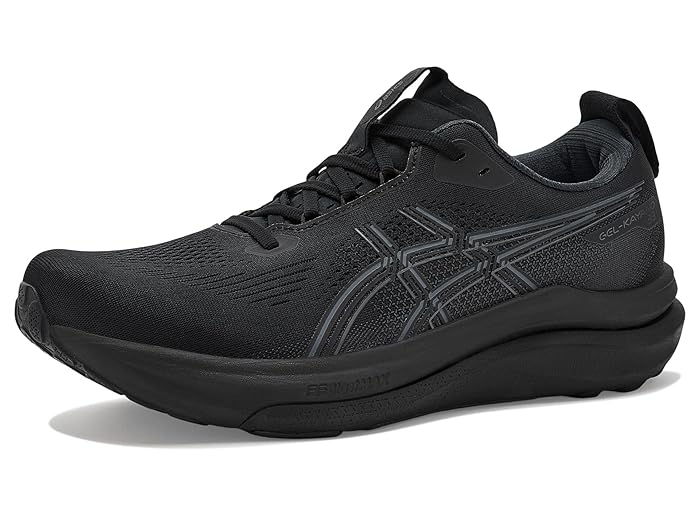
ASICS Gel-Kayano 33 — what reviewers say
Ride profile: high cushion , mild_stability stability .
-
A softer, better-balanced Kayano than before — comfortable and durable stability shoe for easy running and overpronators, though heavy with mediocre energy return.
Ride:Softer than previous Kayano versions with a natural, non-intrusive stability feel; best suited to easy running only.
In their words: "still one of the best stability shoes out on the market"
-
Briefly mentioned as a stability daily trainer option for runners who need more support.
-
The Kayano 33 successfully updates the heritage stability formula with a more universal fluid support structure and a wider, more comfortable fit than the 32, while adding forefoot pop and bringing weight down to 10.5 oz — making it a credible everyday trainer and marathon option for stability-seeking runners.
Ride:Dual-density FF Blast midsole with softer top layer and firmer base. Fluid stability structure wraps around the whole foot (wishbone-like outsole pattern) for more universal stability than the medial-specific 32. More forefoot pop-off than previous versions. Less clunky and stiff than older Kayanos.
Fit:Runs wider than the 32; reviewer went from 4E in the 32 to a standard D in the 33 — those who needed an extra width or half size up on the 32 may be true to size in the 33.
In their words: "more universally stable" · "stable, it's bouncy, it's got support" · "fluid feel to it"
-
The introduction of Flight Foam Blast Max transforms the Kayano 33's ride into something dramatically softer than its predecessor, but at 314g and £180 it remains overpriced and overweight — the reviewer prefers the cheaper Saucony Omni ST 23 and Nike Structure Plus for most stability-seeking runners.
Ride:Ride massively improved over the Kayano 32 due to the new Flight Foam Blast Max top layer — much softer underfoot. Firmer Blast Plus on the bottom stiffens and stabilises the ride. Pure GEL tech in the heel adds cushioning. Full-length rubber outsole and wide base enhance inherent stability. New Fluid Support geometry system felt no different from previous 4D Guidance to the reviewer.
Fit:Fits true to size with a decent-width heel and acceptable lacing lockdown.
In their words: "night and day compared to the previous model" · "massively over-engineered" · "built-up support for people who really need it"
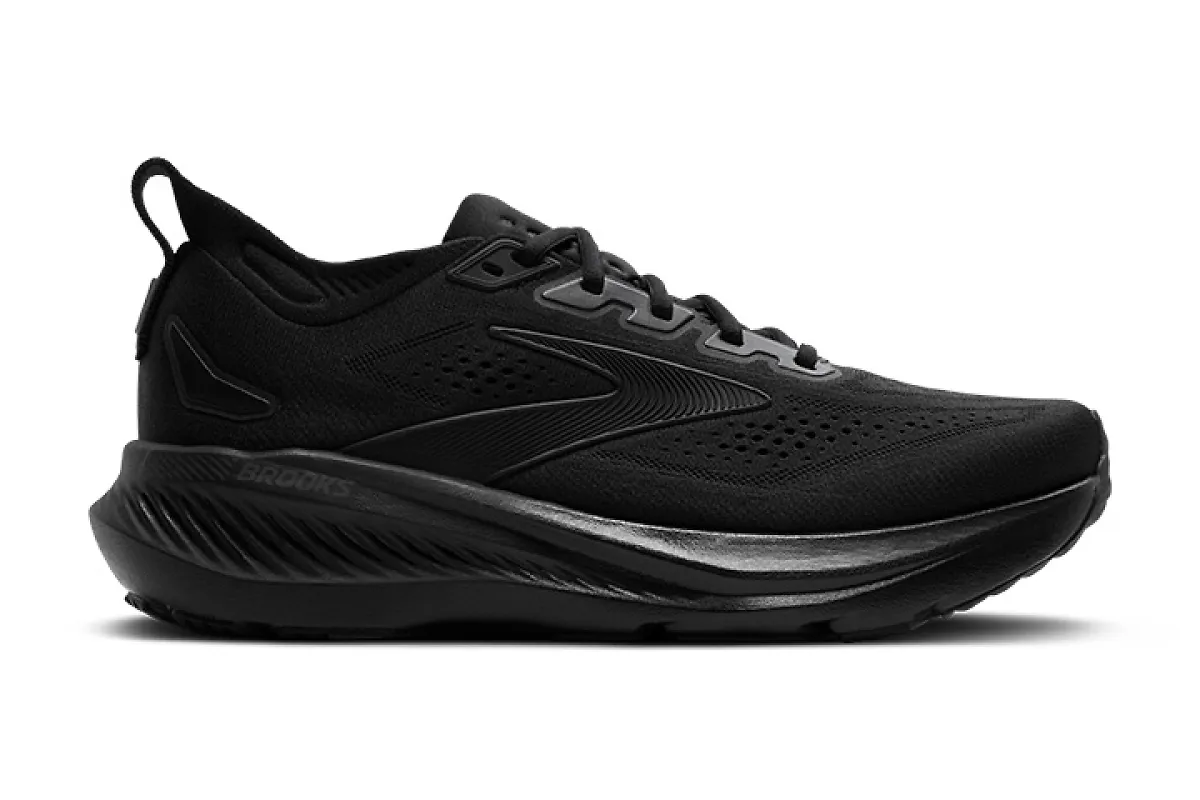
Brooks Glycerin GTS 23 — what reviewers say
Ride profile: high cushion , mild_stability stability .
-
A heavier, firmer, more rigid take on the Glycerin GTS that shifts toward motion-control feel; reviewer misses the softer v22 midsole and finds v23 clunky for his mechanics.
Ride:Firmer, stiffer ride with rigid rearfoot and midfoot; GuideRails feel less post-like than v22 but stability now comes from overall rigidity rather than a soft center with side bumpers.
Fit:Wider fit than v22 but runs short; very stiff heel counter; thick non-gusseted tongue. Those between sizes should try in store or size up a half.
In their words: "a lot firmer" · "fits short" · "moving in more of a motion control direction"
-
Moore's shop stocks the GTS 3:1 or 4:1 over the neutral version; it offers light stability in the same cushioned Glycerin package and is Moore's go-to recommendation for most walk-in customers.
Ride:Same mold as the neutral Glycerin 23 with a subtle amount of pronation control; smoother transition than previous Glycerins.
Fit:Wider forefoot than previous version; sizing is accurate.
In their words: "a little bit of pronation control" · "not like there's a crazy amount of stability"
Who should buy which
Use cases the reviewers above actually call out — one bullet per distinct take, attributed. Where reviewers converge (e.g. "5K to half marathon" appearing across multiple takes) the agreement is a stronger buying signal than any single voice.
Consider the ASICS Gel-Kayano 33 if
- Overpronators and stability seekers who want a durable, cushioned daily trainer or marathon shoe that remains runnable and lighter than legacy Kayanos. — Run Moore
- Overpronating or stability-seeking runners who want a comfortable, supportive daily trainer for easy and long runs — The Run Testers
- Daily training and long runs for overpronators seeking a stable, cushioned shoe; suitable for marathon runners — Run Moore
- Runners who genuinely need maximum built-up stability support, particularly those with notable overpronation. — FORDY RUNS
- Runners who want stable-neutral feeling without a prominent medial post, or those needing forefoot stability; better fit for orthotic use than the Adrenaline — Doctors of Running
- Runners who need stability in a daily trainer — Ben Is Running
Consider the Brooks Glycerin GTS 23 if
- Runners wanting rigid heel/midfoot stability without a medial post feel; not compatible with orthotics. — Doctors of Running
- Newer, older, or higher-arch-support-seeking runners who want a touch of pronation control in a max-cushion daily trainer. — Run Moore
Frequently asked questions
What's the difference between the ASICS Gel-Kayano 33 and the Brooks Glycerin GTS 23?
The ASICS Gel-Kayano 33 is a daily trainer and the Brooks Glycerin GTS 23 is a daily trainer. By the numbers, the ASICS Gel-Kayano 33 weighs 295g, has a 41mm heel stack and an 8mm drop, while the Brooks Glycerin GTS 23 weighs 306g, has a 39mm heel stack and an 8mm drop. MSRP is $170 for the ASICS Gel-Kayano 33 and $180 for the Brooks Glycerin GTS 23.
Should I buy the ASICS Gel-Kayano 33 or the Brooks Glycerin GTS 23?
Run Moore on the ASICS Gel-Kayano 33: Overpronators and stability seekers who want a durable, cushioned daily trainer or marathon shoe that remains runnable and lighter than legacy Kayanos. Doctors of Running on the Brooks Glycerin GTS 23: Runners wanting rigid heel/midfoot stability without a medial post feel; not compatible with orthotics.
Per Run Moore, Doctors of Running.
Which is lighter, the ASICS Gel-Kayano 33 or the Brooks Glycerin GTS 23?
The ASICS Gel-Kayano 33 is lighter, at 295g versus 306g (men's 9) — about 11g less.
Which is more cushioned, the ASICS Gel-Kayano 33 or the Brooks Glycerin GTS 23?
Measured by stack height, the ASICS Gel-Kayano 33 has more underfoot foam — 41mm at the heel versus 39mm.
Which is cheaper, the ASICS Gel-Kayano 33 or the Brooks Glycerin GTS 23?
The ASICS Gel-Kayano 33 is cheaper at $170 versus $180 MSRP — about $10 less.