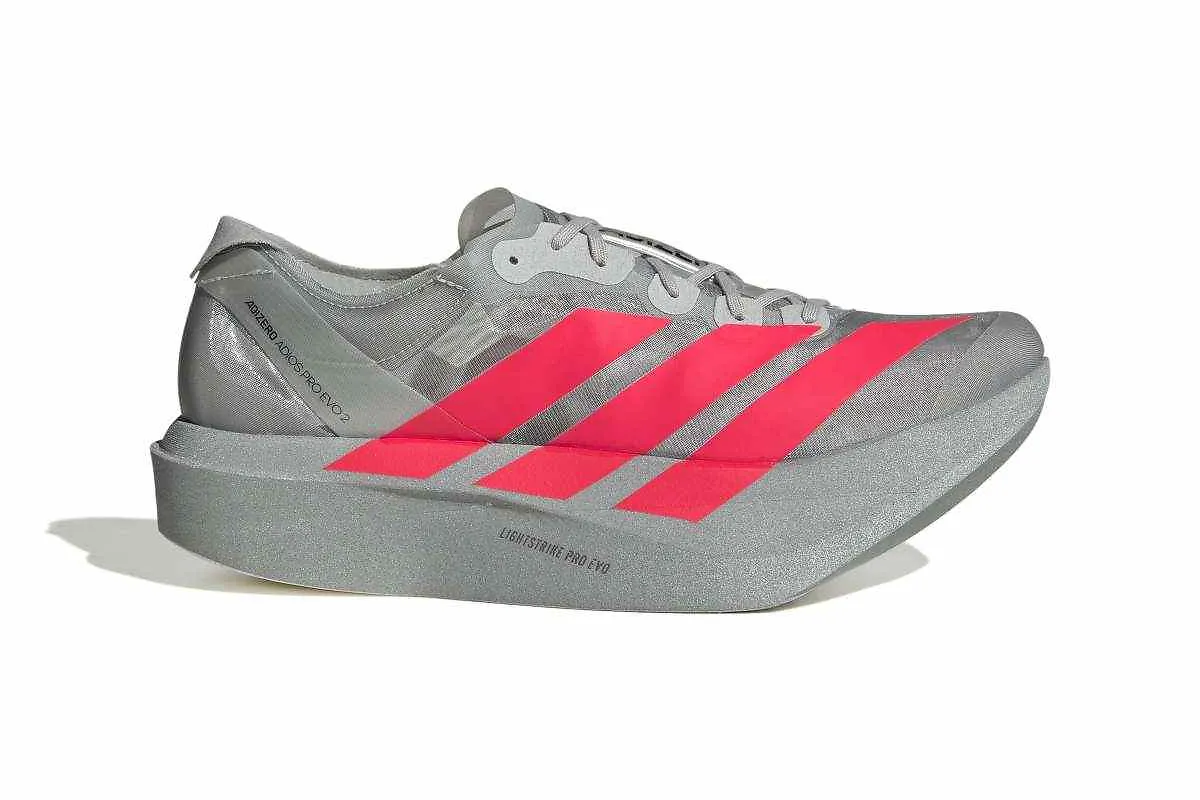
Adidas Adizero Adios Pro Evo 2
Road Racing

Adidas Adizero Adios Pro Evo 2

A pinnacle dry-weather racer with aggressive forefoot geometry and locked-in responsiveness, best suited to elite runners and forefoot strikers willing to accept a £450/$500 price tag and notably poor wet-weather grip. Most testers rank it behind cheaper alternatives like the Metaspeed Ray.

"even racier race shoe" — Kofuzi
Physical blueprint

Where this shoe sits

Weight 130 g
Heel stack 39.0 mm
Drop 3.0 mm
Cushioning Maximal

Best for

Marathon Racing5K / 10K Racing
Suits Forefoot, Midfoot strikers
Pronation Neutral
Surface Road
Lifespan 125-150 racing + maybe 100 workouts after mi

Specifications

Weight (M9)
130g (4.6 oz)
Stack (Heel)
39.0 mm
Stack (Forefoot)
36.0 mm
Drop
3.0 mm
Midsole
Lightstrike Pro Evo (supercritical PEBA)
Plate
Carbon (Energy Rods 2.0 (carbon-infused polymer, full-length))
Outsole
Proprietary cutout rubber
Upper
Engineered mesh
Lacing
Traditional

Fit Profile

Length
True To Size
Forefoot Width
Narrow
Midfoot Width
Narrow
Heel Width
Narrow
Lockdown
Good
Toe Box
Narrow
Sizing
True To Size

Ride Characteristics

Cushioning
Maximal
Stability
Neutral

Durability

Expected Miles
125-150 racing + maybe 100 workouts after
Outsole
Below Average

Expert reviews · 4 reviewers · grouped per channel

BI
Believe in the Run Youtube

A statement shoe that adds 3mm of forefoot foam and a more aggressive toe spring over v1, but keeps the same ultralight weight. Comfort underfoot and speed-pickup are there — dreadful wet-weather traction is the biggest functional flaw.

Best for: Elite athletes or runners who want to flex on the start line. Everyone else: two pairs of Adios Pro 4 (train + race) is a better use of $500.
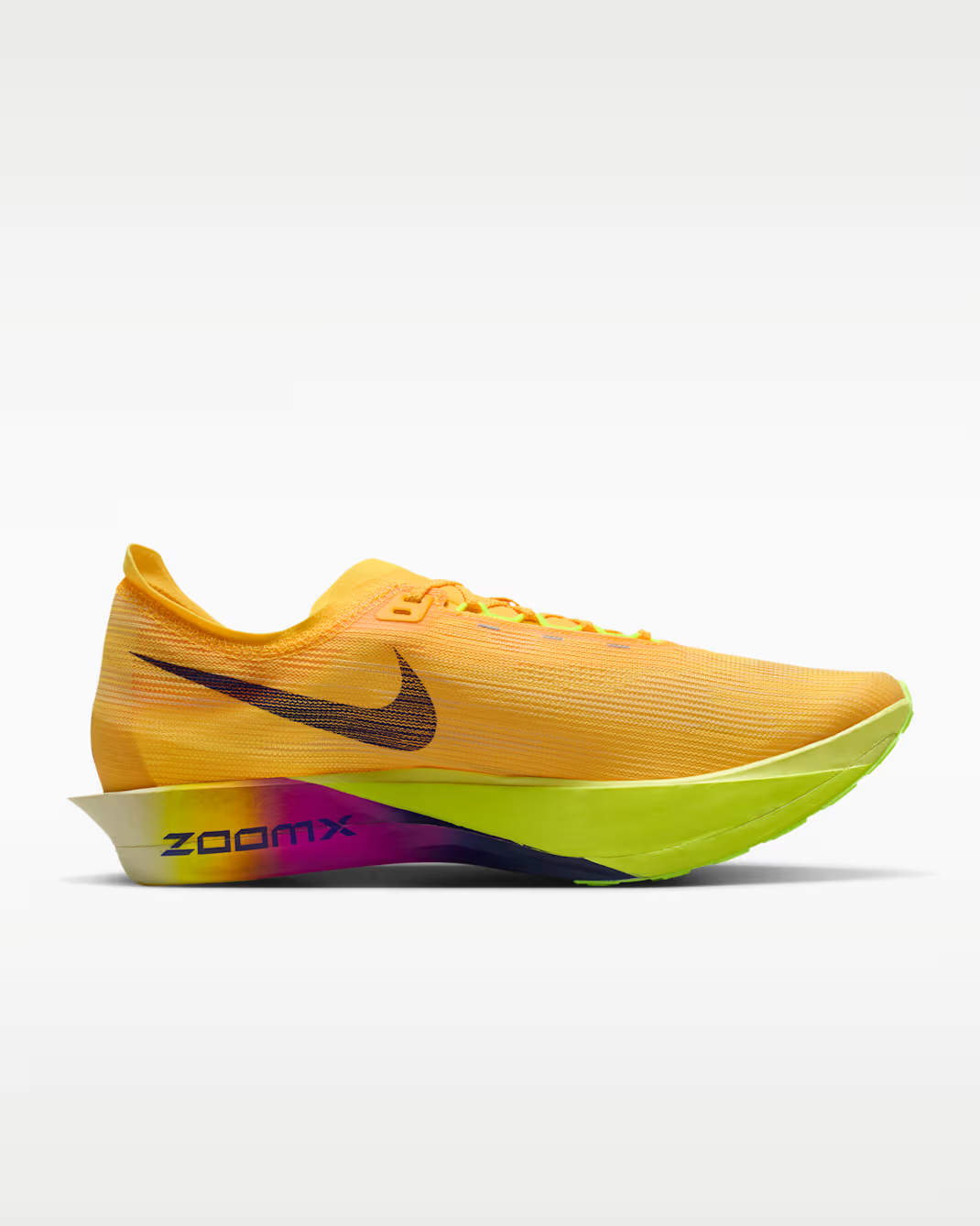
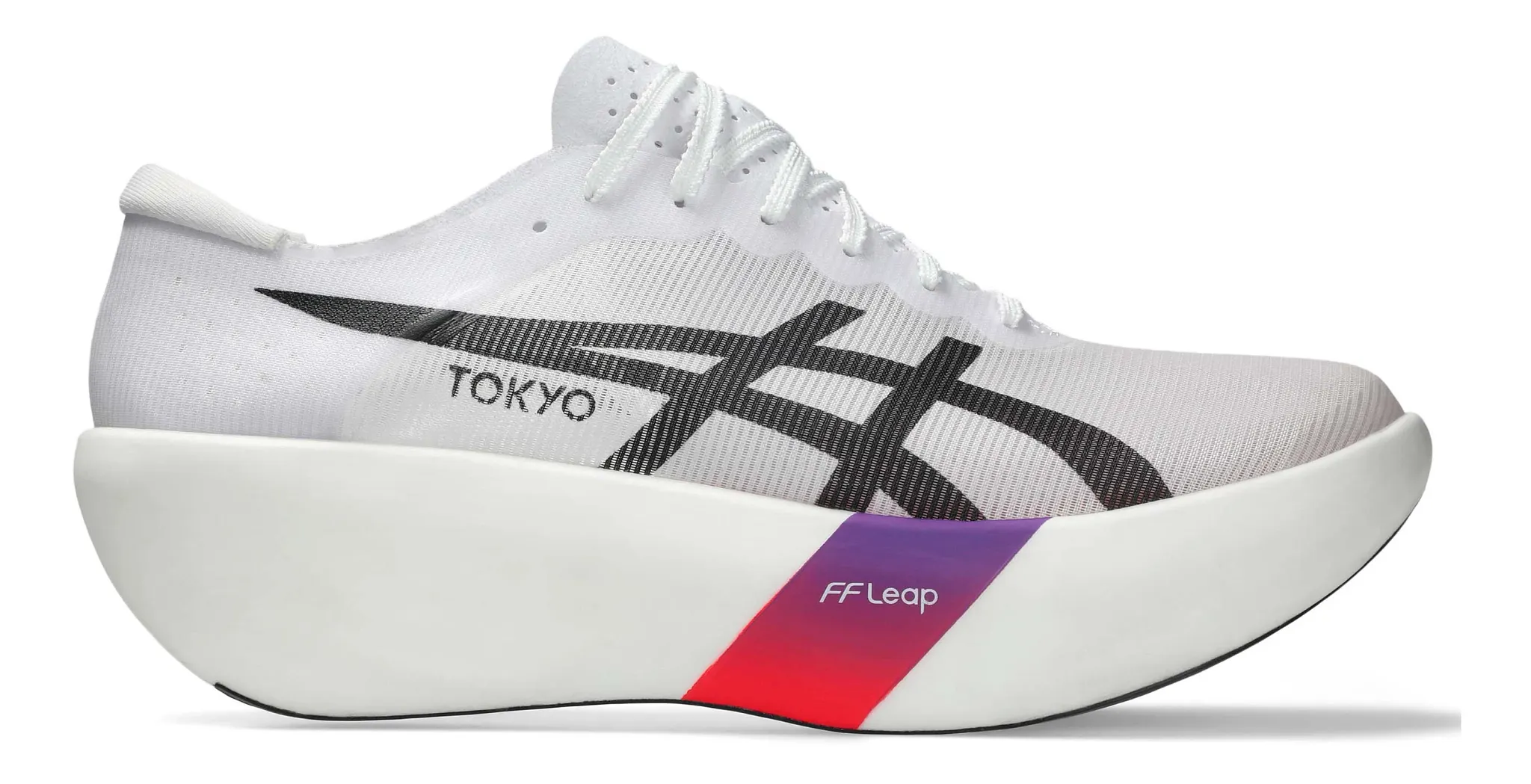
5 miles tested · source
DO
Doctors of Running Youtube

A brilliantly fast, ultralight racer with a much more rideable v2 — but with strict speed, mechanics, and budget requirements. Recreational runners are better served by the Adios Pro 4 or Evo SL at half the price.

Best for: Elite and sub-elite runners racing 10K to marathon at sub-6:30 pace with neutral mechanics and healthy calves/toe-flexors. Not worth it for recreational runners.

30 miles tested · source
K
Kofuzi Youtube

A toned-down Evo that trades some of v1's magic for more normal durability at the same $500 price. Still one of the most aggressive shoes on the market, but the shrinking gap to the regular Adios Pro makes it a harder $500 sell, and the Metaspeed Ray at $300 is a preferred alternative for runners who like a squishier dynamic feel.

Best for: Runners who consistently land in the shoe's narrow sweet spot (forefoot/pushoff or clean midfoot roll) and are chasing a pinnacle race-day tool and have the budget for it.

100 miles tested · source
+1 earlier review from Kofuzi

A marathon-capable upgrade over v1 — same featherweight 138g / 4.8oz package, but the later/steeper rocker makes this a forefoot-striker shoe (more like Adios Pro 3 than the Tacumi-like Evo 1). Still $500, still not for most runners, but Kofuzi now considers it a marathon shoe for the masses — if you can absorb the price.

Best for: Forefoot-striking runners who will use the shoe from 5K through marathon distances and have $500 to spend. Unlike v1, v2 is now viable for non-elites at the marathon distance.

30 miles tested · source
TR
The Run Testers Youtube

Very fast shoe with genuine PB-capable performance, undone by significantly worse wet-weather grip than the Puma Fast-R 3 at nearly double the price. Both testers recommend the Fast R3 even at equal price.

Best for: Very fast runners wanting the lightest possible pure race shoe, in dry conditions. Both testers still prefer the Fast R3 even when price is equalized — the Pro Evo 2 is a shoe to pick if you specifically want more foam underfoot than the Fast R3 and are willing to tolerate the grip.

+4 earlier reviews from The Run Testers

A high-performing but not-fun pinnacle race shoe that both testers rank behind the Metaspeed Ray on both price and performance. Grip in the wet is the biggest functional problem.

Best for: Runners who need a stable, controlled race shoe with a defined forefoot rocker — especially those worried about form breakdown late in a marathon (more uniform stride than the Metaspeed Ray).

Ran his fastest half marathon (1:21 PB, ~2 min improvement) in his 4th run in the shoes. Grip held up in dry conditions but had to adjust around leaves/wet spots. A 'really good shoe' that he can't justify at £450 — he'd recommend it more readily at £270.

Best for: Runners who like a firmer, snappier, more immediate race shoe with a locked-in feel rather than a bouncy one — willing to accept the grip compromise and the price.

13 miles tested · source

Genuinely fast on dry pavement and weirdly accommodating even at slower paces, but the £450/$500 shoe is unusable when it's wet. Hard to recommend given that other carbon racers handle damp conditions fine.

Best for: Chasing PBs over any distance up to the marathon on a DRY course. Not remotely a wet-weather shoe.

Top-tier racing performance but the £450/$500 price and poor wet-weather grip make it very hard to recommend over cheaper carbon racers.

Best for: Midfoot/forefoot strikers racing short to marathon distances in dry conditions.

22 miles tested · source

Where it sits among similar shoes

Compared to other road racing in the same lane.

Weight · lower = lighter Men's size 9
Adidas Adizero Adios Pro Evo 2
130g
ASICS Metaspeed Ray
130g
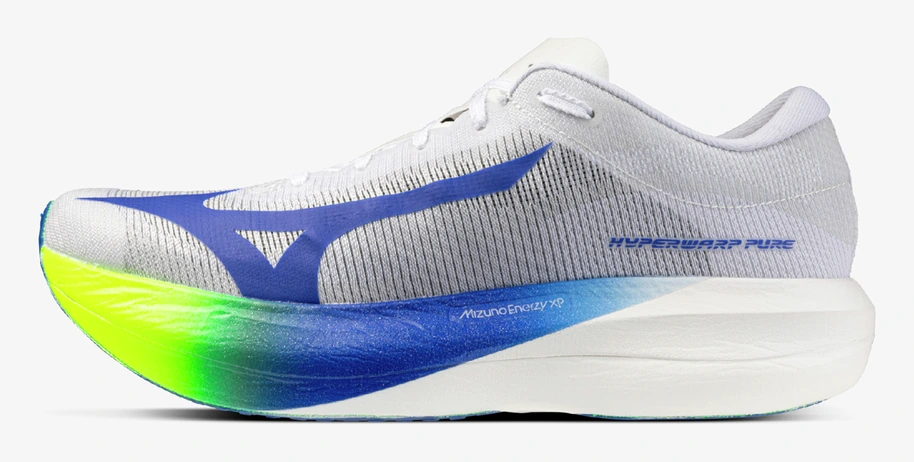
Mizuno Hyperwarp Pure
139g
Puma Deviate Nitro Elite 4
170g
Heel stack · higher = more cushioning mm
Adidas Adizero Adios Pro Evo 2
39.0mm
ASICS Metaspeed Ray
43.0mm
Mizuno Hyperwarp Pure
33.0mm
Puma Deviate Nitro Elite 4
38.0mm
Drop · higher = more heel-leaning mm
Adidas Adizero Adios Pro Evo 2
3.0mm
ASICS Metaspeed Ray
5.0mm
Mizuno Hyperwarp Pure
3.5mm
Puma Deviate Nitro Elite 4
8.0mm

Adidas Adizero Adios Pro Evo 2

Data-driven recommendation backed by expert reviews.

Ask the advisor
Methodology. Specs come from manufacturer data and authoritative third-party catalogs. Reviewer verdicts are summarized from named, linked sources — never copied verbatim. We weight clinical and lab-tested sources more heavily than community commentary, but the specific weights stay internal. Never sponsored, never paid placement.
Last updated 2026-05-05