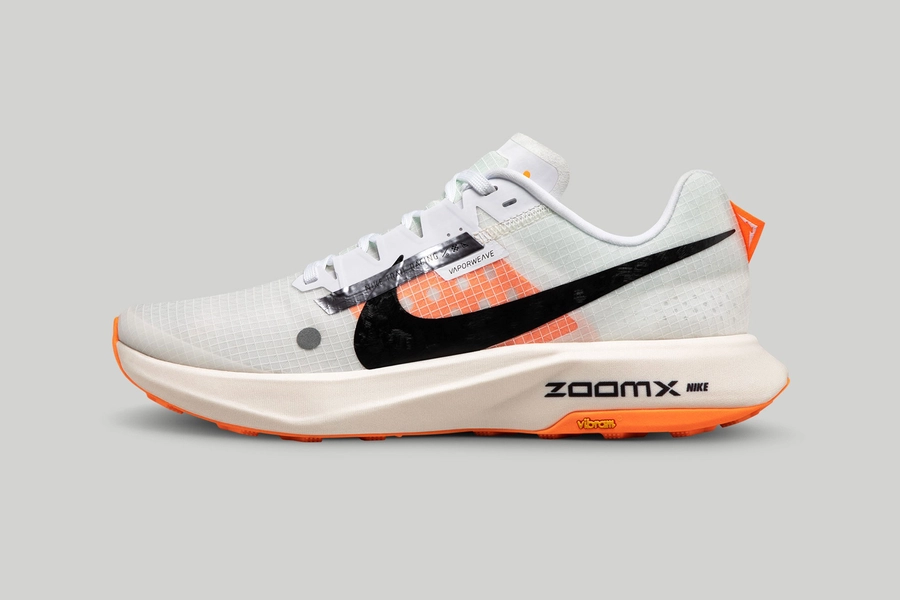
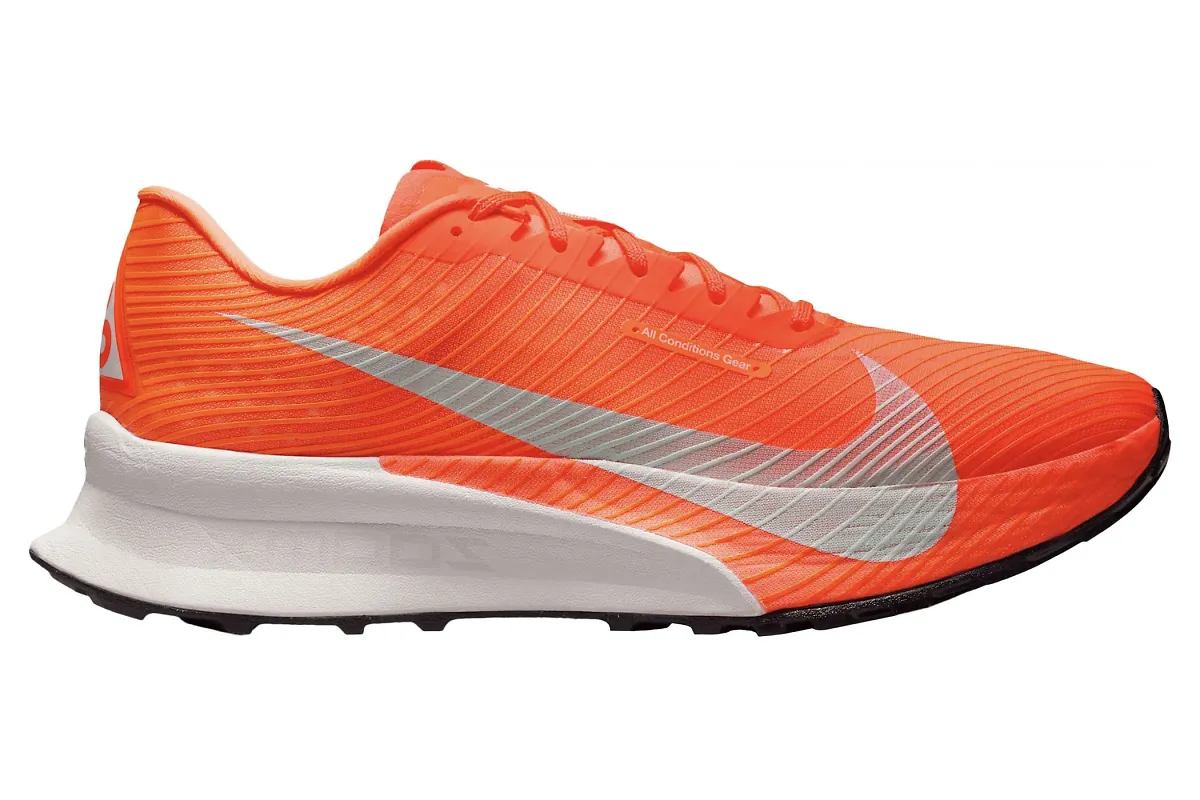
Nike ACG Ultrafly 2
Trail Light

Nike ACG Ultrafly 2

Despite strong marketing hype and high expectations, the reviewer was disappointed with the ACG Ultrafly and wishes they loved the shoe more than they do. — Believe in the Run

Physical blueprint

Where this shoe sits

Weight 269 g
Heel stack 38.0 mm
Drop 8.5 mm
Cushioning High

Best for

TrailLong Runs
Suits Heel, Midfoot strikers
Pronation Neutral
Surface Trail

Specifications

Weight (M9)
269g (9.5 oz)
Stack (Heel)
38.0 mm
Stack (Forefoot)
29.5 mm
Drop
8.5 mm
Midsole
ZoomX (PEBA)
Plate
Carbon (Full-length carbon fiber Flyplate, split into independent medial/lateral halves for smoother flex over terrain)
Outsole
Vibram Megagrip (Litebase)
Upper
Vapor mesh with midfoot containment band
Lacing
Traditional

Fit Profile

Length
True To Size
Forefoot Width
Wide
Midfoot Width
Narrow
Heel Width
Average
Lockdown
Good
Toe Box
Roomy
Sizing
True To Size

Ride Characteristics

Cushioning
High

Durability

Outsole
Above Average

Expert reviews · 3 reviewers · grouped per channel

BI
Believe in the Run Youtube ↗

Despite strong marketing hype and high expectations, the reviewer was disappointed with the ACG Ultrafly and wishes they loved the shoe more than they do.

+2 earlier reviews from Believe in the Run

A visually stunning trail racer that excels on smooth singletrack and gravel but falls short of its all-conditions marketing due to a rigid plate that causes midfoot pressure and limits versatility on technical terrain. Both reviewers wanted to love it but found it too specialized for anything beyond light trail.

Best for: Road runners transitioning to light trail running, smooth singletrack, gravel roads, and door-to-trail scenarios. Not suited for moderate to technical terrain.

26 miles tested · source

The ACG Ultrafly surprised the reviewer with its efficiency-oriented ride, delivering unexpectedly fast paces despite a firmer-than-expected ZoomX midsole. It trades the softer feel of its predecessor for a more structured, race-focused trail shoe, though the narrower toe box may not accommodate all foot shapes.

Best for: Ultra distance trail racing for runners who prioritize efficiency over soft cushioning
5 miles tested · source
TR
The Run Testers Youtube ↗

After his first 5-mile run, the reviewer found the ACG Ultrafly protective and cushioned enough for long trail days, with plenty of energy return from ZoomX foam, though it trades away some ground feel and control on technical terrain.

Best for: Runners wanting a protective, cushioned trail shoe for long hours on feet, including ultra distances, who don't need maximum ground feel.

Frequently asked questions

How does the Nike ACG Ultrafly 2 fit?

Reviewers note: True to size with enough toe box clearance and room; a slightly narrow wrap on the tongue could let in debris.

Per The Run Testers.

How much does the Nike ACG Ultrafly 2 weigh and what is its drop?

The Nike ACG Ultrafly 2 weighs about 269g (men's 9), has a 38.0mm heel stack and a 8.5mm heel-toe drop.

What shoes is the Nike ACG Ultrafly 2 compared to?

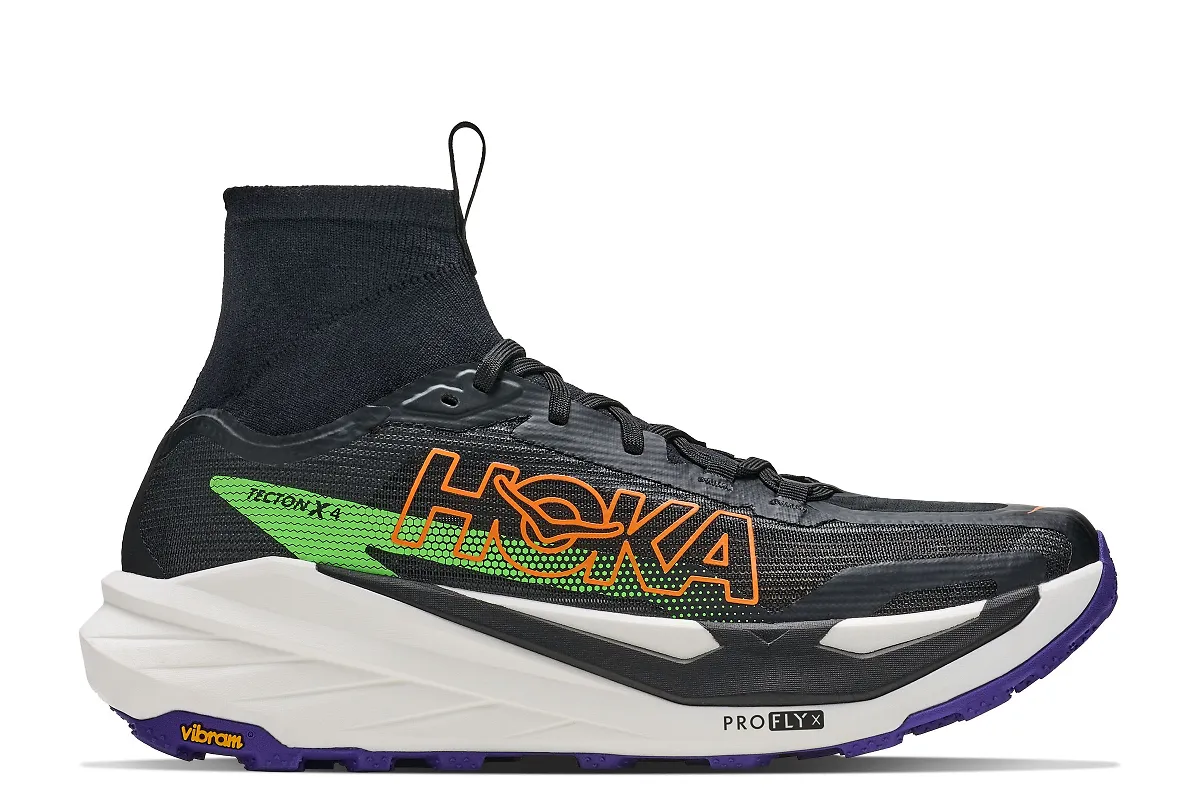
Reviewers compare the Nike ACG Ultrafly 2 to Hoka Tecton X3, Hoka Rocket X Trail, Nike Vaporfly, On Cloudsurfer Ultra Pro.

Per Believe in the Run, The Ginger Runner.

How many experts have reviewed the Nike ACG Ultrafly 2?

Next Pair aggregates 5 expert reviews of the Nike ACG Ultrafly 2, including Believe in the Run, The Run Testers, The Ginger Runner.

Per Believe in the Run, The Run Testers, The Ginger Runner.

Where it sits among similar shoes

Compared to other trail light in the same lane.

Weight · lower = lighter Men's size 9
Nike ACG Ultrafly 2
269g
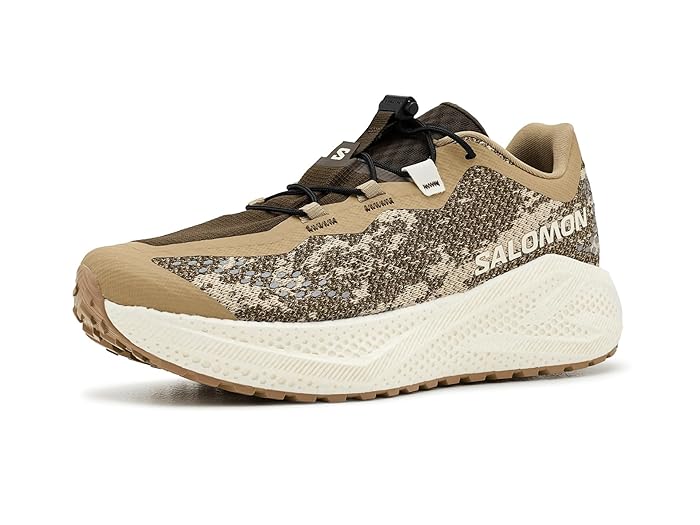
Salomon Aero Glide 4 GRVL 4
283g
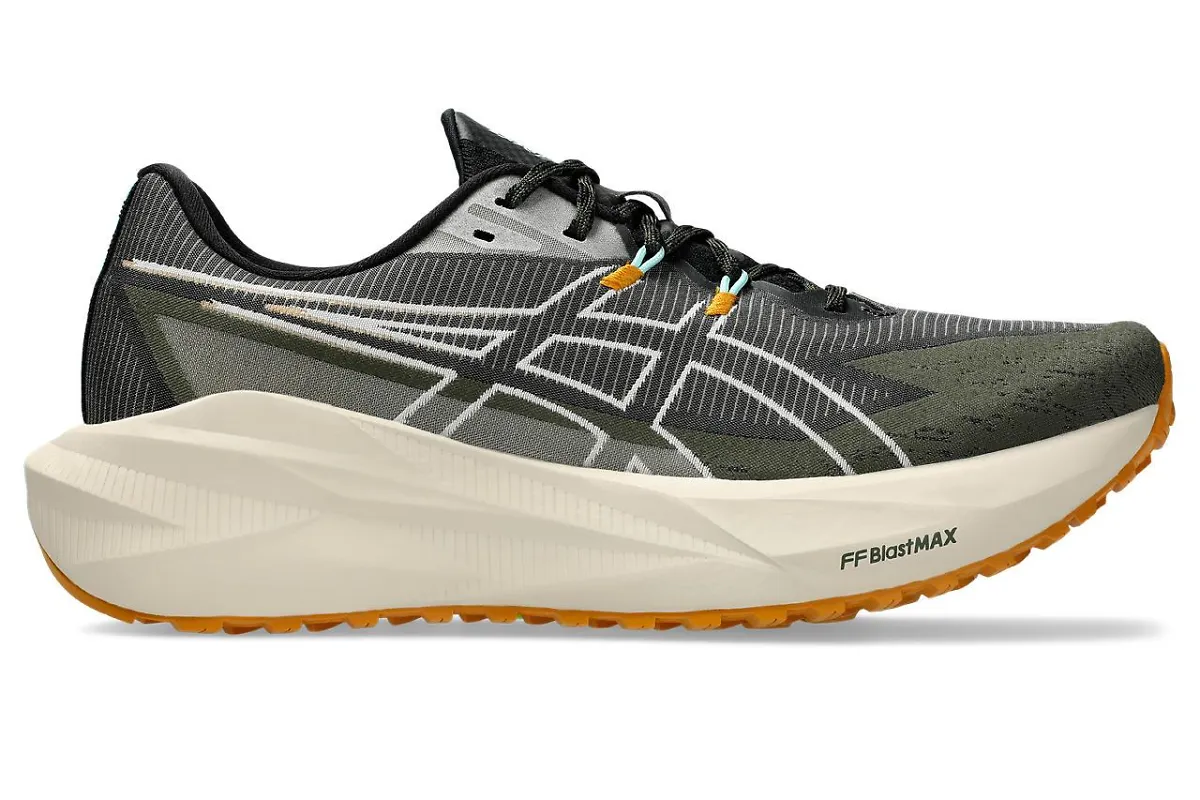
ASICS Blazeblast
258g
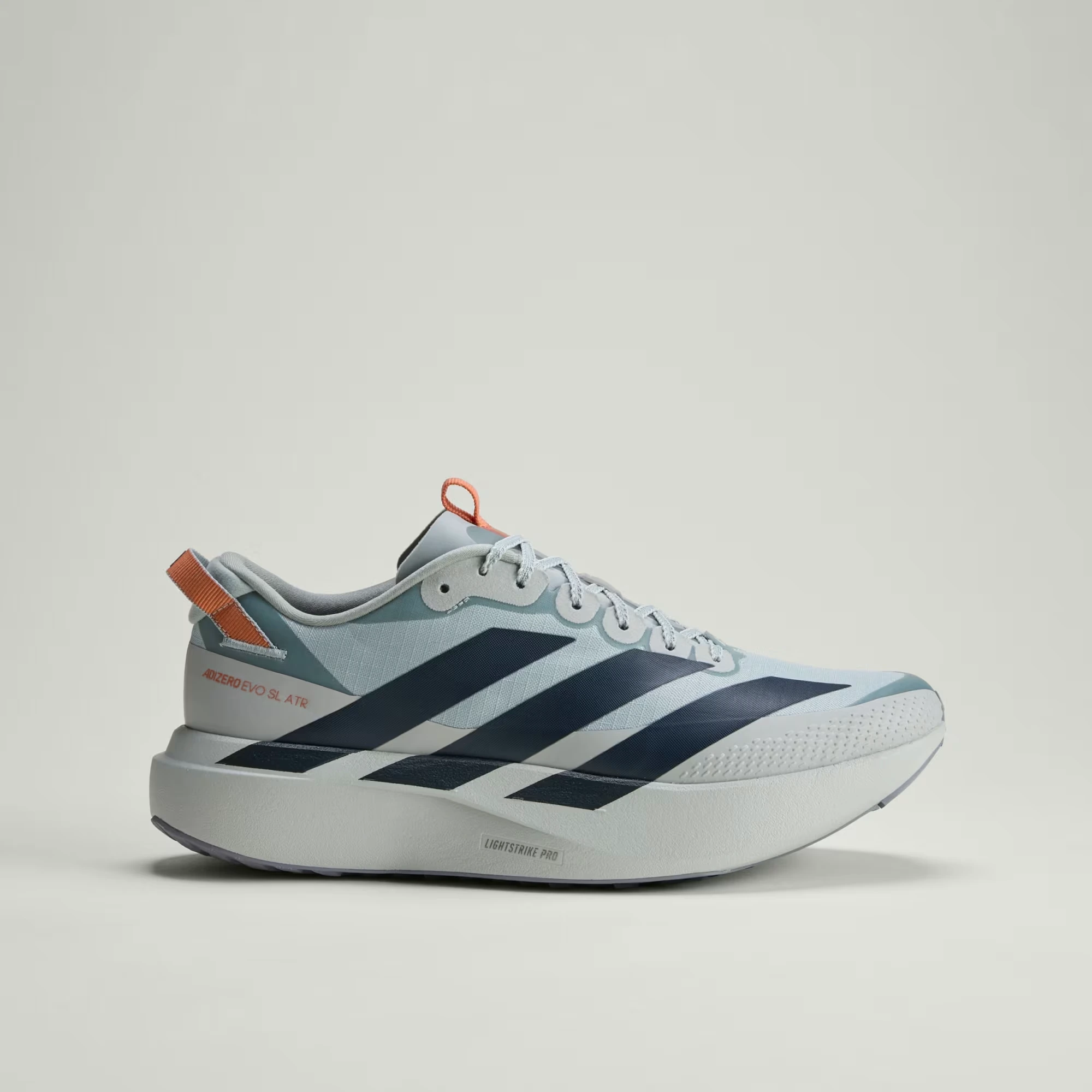
Adidas Adizero Evo SL ATR
272g
Heel stack · higher = more cushioning mm
Nike ACG Ultrafly 2
38.0mm
Salomon Aero Glide 4 GRVL 4
43.0mm
ASICS Blazeblast
42.0mm
Adidas Adizero Evo SL ATR
40.0mm
Drop · higher = more heel-leaning mm
Nike ACG Ultrafly 2
8.5mm
Salomon Aero Glide 4 GRVL 4
8.0mm
ASICS Blazeblast
8.0mm
Adidas Adizero Evo SL ATR
7.0mm

Nike ACG Ultrafly 2

Data-driven recommendation backed by expert reviews.

Ask the advisor
Methodology. Specs come from manufacturer data and authoritative third-party catalogs. Reviewer verdicts are summarized from named, linked sources — never copied verbatim. We weight clinical and lab-tested sources more heavily than community commentary, but the specific weights stay internal. Never sponsored, never paid placement.
Last updated 2026-09-29